
Calming the Storm: Helping Your Young Autistic Child During a Meltdown
Published August 25, 2026 · By Nova
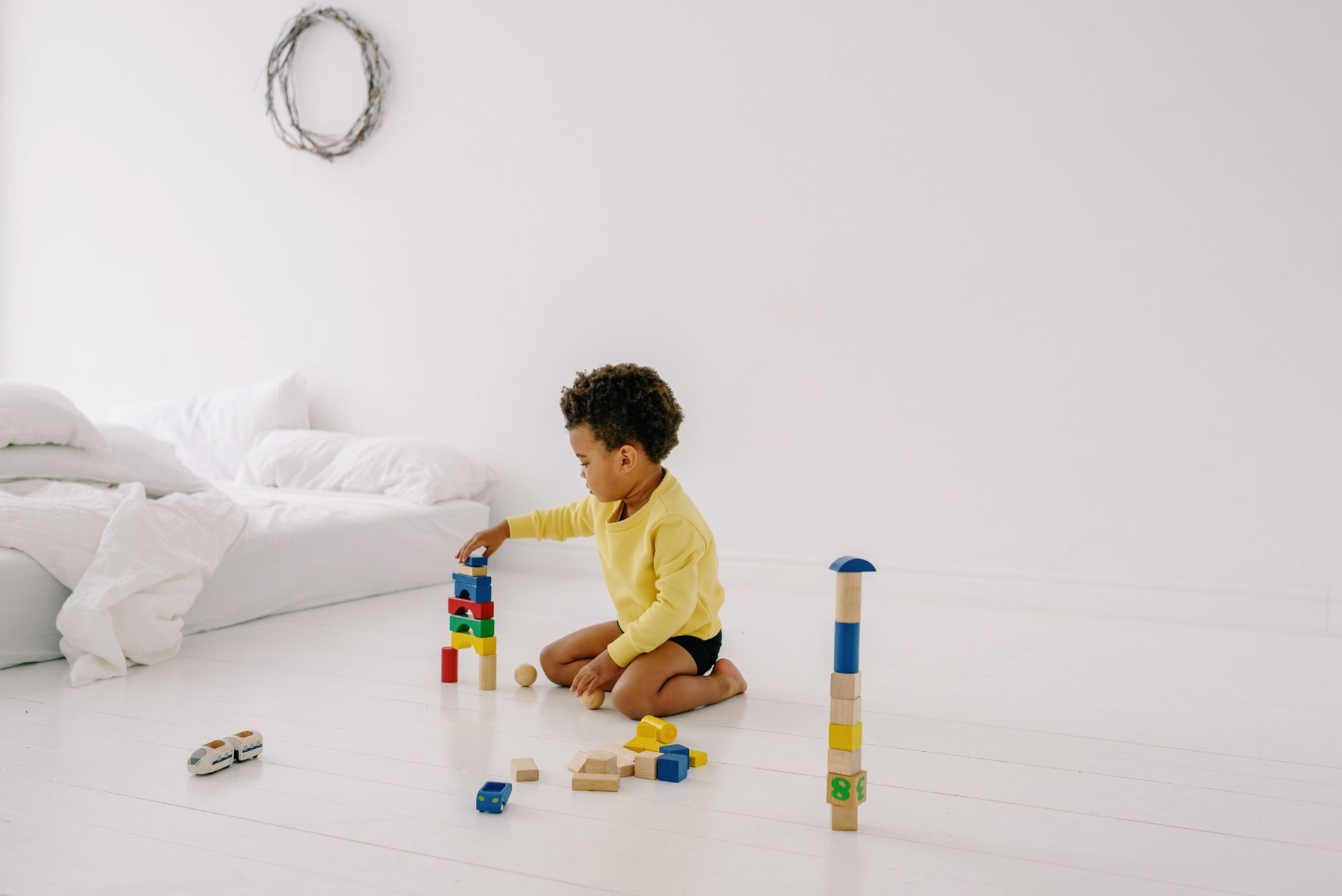
Life with a young autistic child is a journey filled with unique joys and sometimes, intense challenges. One of the most common and often frightening experiences for caregivers is an autistic meltdown. When your 4-year-old child is overwhelmed to the point of a meltdown, it can feel like a storm has erupted around you, leaving both of you feeling lost and helpless.
It’s important to remember that a meltdown is not a tantrum. A tantrum is often behavioral, a child trying to get their way. A meltdown, however, is a neurological response to being completely overwhelmed – a loss of control in their nervous system. It’s not something your child chooses, and they are not doing it to be defiant or difficult. They are experiencing deep distress, and they need your calm, understanding support.
Understanding Meltdowns in Young Autistic Children
For an autistic child, the world can be a constant barrage of intense sensory input. Imagine bright lights, loud noises, unexpected touches, strong smells, or confusing social situations all happening at once. Their brain processes these inputs differently, and sometimes, the system overloads. This overload can trigger a meltdown. In young children, this might look like:
- Intense crying, screaming, or sobbing
- Hitting, kicking, or biting (themselves or others)
- Throwing objects or breaking things
- Running away or trying to escape the environment
- Freezing, going limp, or withdrawing (a shutdown, which is another form of overload)
- Difficulty with communication or responding to their name
Recognizing these as signs of distress, not defiance, is the first step toward effective support.
Prioritizing Safety: The First Step
When a meltdown begins, safety is your absolute top priority. This applies to your child, yourself, and anyone else nearby. Your child is not trying to hurt anyone; they are reacting to overwhelming internal distress. Your calm presence can help ground them.
Clear the Space: Gently move anything sharp, breakable, or potentially harmful out of reach. This includes toys that could be thrown, furniture with sharp edges, or objects they might trip over. This simple action creates a physically safer zone for everyone involved.
Create Physical Distance (If Needed): If your child is lashing out physically, ensure you are at a safe distance where you can still observe and offer support without being in harm's way. Your goal is to be present without putting yourself at risk. You might block with a forearm or a pillow, rather than directly grabbing, if that is safer for both of you. Never restrain your child unless there is imminent danger of serious harm, and only then as a last resort, following any local guidelines or training.
Check for Elopement Risk: If you are in an unfamiliar or dangerous environment (like near a road or water), your immediate thought might need to be about preventing your child from running into unsafe areas. If this is a risk, secure doors or gates if possible, or gently guide them to a more contained space.
Your presence, even if silent, communicates security. As Nova reminds us, "I'm here with you. Take a breath with me. Your child isn't choosing this — they're overwhelmed, not misbehaving. Let's focus on safety first."
Sensory Reduction: Calming the Overload
Once physical safety is addressed, the next crucial step is to reduce the sensory input that is likely overwhelming your child's nervous system. This is about making their environment feel less threatening.
Lower the Lights: If possible, dim bright lights or move to a more softly lit area. Fluorescent lights, common in many public spaces and even some homes, can be particularly jarring for autistic individuals. Natural light or warmer, dimmer lighting can be much less abrasive.
Reduce Noise: Minimize unexpected or loud sounds. Turn off the television, radio, or any loud appliances. If you have noise-canceling headphones, offer them. Even moving to a quieter room can make a significant difference. Your voice should also be calm, soft, and minimal.
Minimize Visual Clutter: If the meltdown is happening in a visually busy environment, try to create a simpler visual field. Turn your child away from busy shelves in a store, or position them to face a blank wall at home. Less to process visually means less overwhelm.
Offer a Familiar Regulator (If Accepted): If your child has a preferred sensory item – a soft blanket, a fidget toy, a chewy, or a specific stuffed animal – offer it gently. Don't force it, but having it nearby can provide a familiar comfort that helps them self-regulate when they're ready. As the knowledge base suggests, "Offer known regulators if safe (headphones, pressure, familiar object)."
Your Role: The Calm Anchor
Your own demeanor is incredibly powerful during a meltdown. Your child is looking to you for cues, even if they can't consciously process them.
Keep Your Voice Calm and Simple: Use minimal language. Avoid asking many questions or trying to reason. Short, calm phrases like, "You're safe. I'm here. It will pass." are often all that's needed. Your tone matters more than the words themselves.
Maintain a Slow, Predictable Pace: Your movements should be slow and deliberate. Avoid sudden movements or unexpected touches, which can escalate distress. Predictability is a key factor in reducing anxiety for autistic individuals.
Allow Them Space and Time: The nervous system needs time to de-escalate. Don't pressure them to "snap out of it" or demand eye contact. Give them physical space, but stay nearby to show your presence and support. As Nova emphasizes, "Allow time — the nervous system needs minutes to settle."
Co-Regulation: Your calm helps your child's nervous system regulate. If you're feeling overwhelmed yourself, try a quick grounding technique. "Put one hand on something solid near you — a chair, table, wall. Feel the surface. Take a slow breath in… And a slow breath out." This helps you regain your center, which in turn helps your child.
After the Storm: Recovery and Reflection
Once the meltdown subsides, the period of recovery is just as important. Your child will likely be exhausted and vulnerable. Offer a quiet space, hydration, and comfort. Avoid lectures or emotional blaming. Later, when everyone is calm, you might gently reflect on what led up to the meltdown to identify triggers and update your strategies.
Supporting your young autistic child through a meltdown is challenging, but every time you respond with calm, safety, and sensory awareness, you are teaching them that they are safe and loved, even when their world feels too big. You are doing important, difficult work, and you are not alone.