
Choosing the Best Weighted Blankets for Autistic Kids
Published July 9, 2026 · By Nova
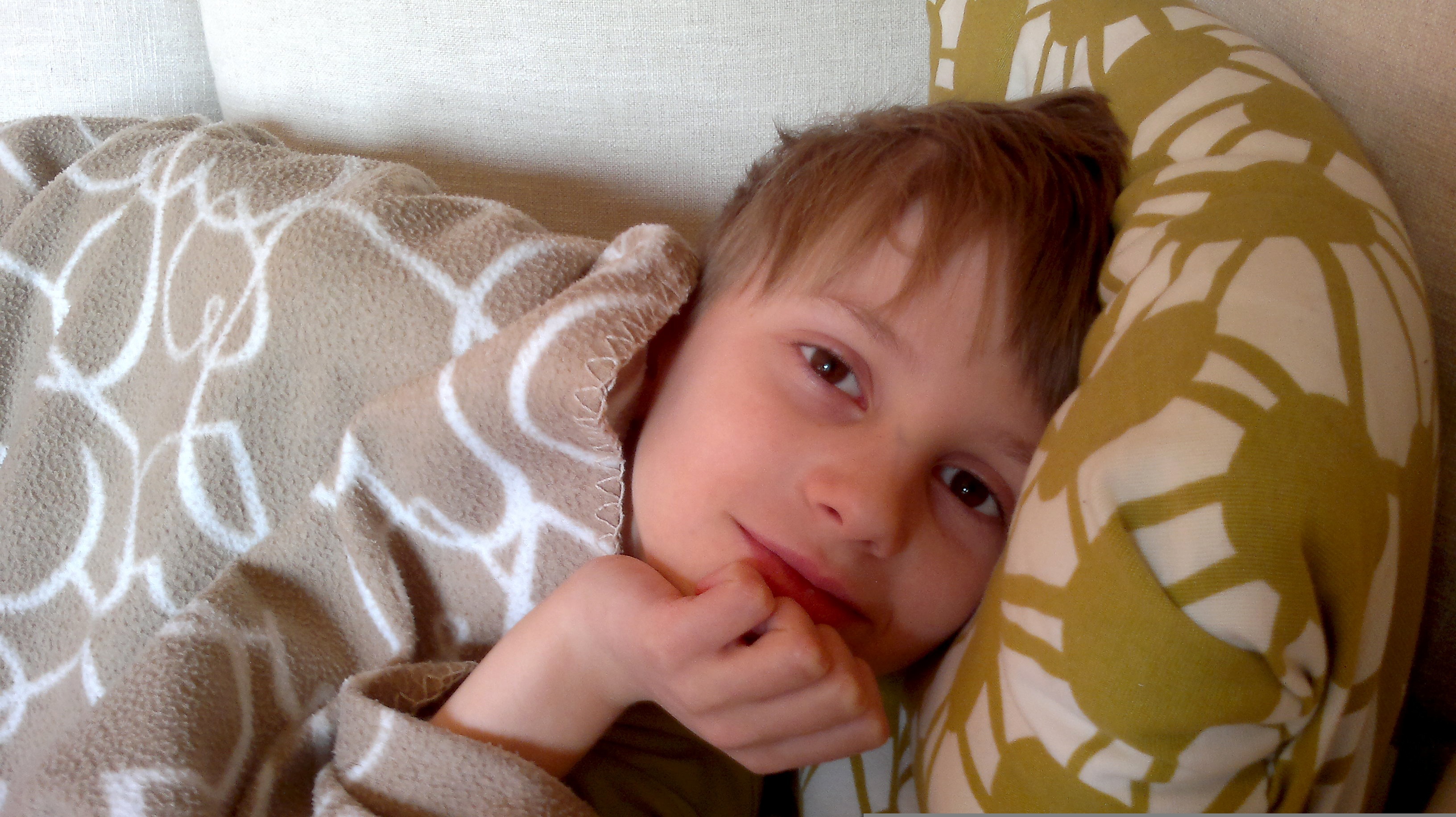
Is your child constantly seeking deep pressure, or perhaps having trouble settling down for sleep? Many parents/categivers of autistic children explore various sensory tools to provide comfort and regulation. Among the most popular and effective are weighted blankets. These comforting covers offer deep pressure input, which can be incredibly soothing and grounding for many autistic individuals.
Deep pressure stimulation, often referred to as Deep Touch Pressure (DTP), is thought to activate the parasympathetic nervous system, promoting relaxation and reducing anxiety. For autistic children, this can translate into improved focus, reduced meltdowns, and more restful sleep. But with so many options out there, how do you choose the 'best' one?
Understanding the Benefits of Weighted Blankets
Weighted blankets aren't a magic fix, but for many, they offer significant benefits:
- Calming Effect: The gentle, even pressure mimics a hug or swaddling, which can be very calming and help reduce feelings of anxiety or overstimulation.
- Improved Sleep: By promoting relaxation, weighted blankets can help children fall asleep faster and stay asleep longer, leading to more restorative rest.
- Sensory Regulation: For those who seek deep pressure, a weighted blanket provides a safe and consistent source of this input, helping to regulate their sensory system.
- Increased Focus: Some children may find that the grounding sensation helps them concentrate better during quiet activities.
It's important to remember that every autistic person is unique. While many benefit from weighted blankets, some may find them uncomfortable or overwhelming. Always introduce a weighted blanket slowly and observe your child's reactions.
Key Considerations When Choosing a Weighted Blanket
Selecting the right weighted blanket involves more than just picking a pretty color. Here are the crucial factors:
1. Weight: The Golden Rule
The general guideline is that a weighted blanket should be approximately 10% of the user's body weight, plus one to two pounds. For example:
- A child weighing 50 pounds would typically need a 5-7 pound blanket.
- A child weighing 70 pounds would typically need a 7-9 pound blanket.
Why is this important? Too heavy, and it could be restrictive and unsafe. Too light, and it might not provide enough sensory input to be effective. Always round down if your child is between sizes, or err on the side of slightly lighter if you're unsure, especially for younger or smaller children. Never use a weighted blanket for infants or toddlers under 2-3 years old, or for anyone who cannot remove it themselves.
2. Size: Coverage and Manoeuvrability
Weighted blankets come in various sizes:
- Lap Pads: Smaller, lighter versions perfect for use at a desk, during car rides, or on a couch. These range from 3-10 pounds and are great for targeted pressure.
- Individual Blankets: Sized to cover a single person, often mimicking twin or throw blanket dimensions. These are ideal for sleep or focused calming.
Choose a size that provides adequate coverage for your child without being so large that the weight is distributed too thinly. A blanket that's too big can also be cumbersome to move.
3. Material and Fill: Comfort and Texture
The feel of the blanket is crucial for many autistic individuals who have sensory sensitivities.
- Outer Fabric: Consider materials like soft cotton, minky fabric (velvety soft), bamboo (cooling), or fleece. Think about your child's preferences – do they prefer smooth, soft, or textured sensations? Do they tend to get warm at night?
- Filling Material:
- Glass Beads: Tend to be smaller, denser, and create a smooth, even weight distribution. They are often preferred for their less bulky feel and quieter movement.
- Plastic Poly Pellets: Larger and more common in less expensive blankets. They can be a bit bulkier and sometimes make more noise when shifted.
Look for blankets where the weight is evenly distributed using small sewn-in pockets to prevent the filling from clumping.
4. Breathability and Temperature Regulation
Some children tend to overheat easily. If this describes your child, look for blankets made with breathable materials like cotton, bamboo, or those specifically marketed as 'cooling' weighted blankets. The type of filling can also affect breathability.
5. Ease of Cleaning
Life with kids can be messy! Check if the blanket is machine washable or if it requires a removable, washable cover. A cover can also be changed for different sensory preferences or to prolong the life of the weighted insert.
Tips for Introducing a Weighted Blanket
- Start Slowly: Don't just throw it on them. Introduce it during a calm moment. Let them explore it, touch it, and familiarise themselves with its weight.
- Short Duration at First: Begin with short periods, perhaps 10-15 minutes, during quiet activities like reading or watching a movie.
- Observe and Communicate: Pay close attention to your child's reactions. If they are verbal, ask them how it feels. Look for signs of comfort or discomfort.
- Safety First: Ensure your child can easily remove the blanket on their own. Supervise use, especially in the beginning.
Remember, the 'best' weighted blanket is the one that best suits your child's individual needs and preferences. It may take some trial and error, but finding the right one can provide a profound source of comfort and regulation, enhancing their overall well-being.
May you find the perfect comfort for your child and bring more peaceful moments into your home.