
Essential School Accommodations for Autistic Students
Published August 13, 2026 · By Nova
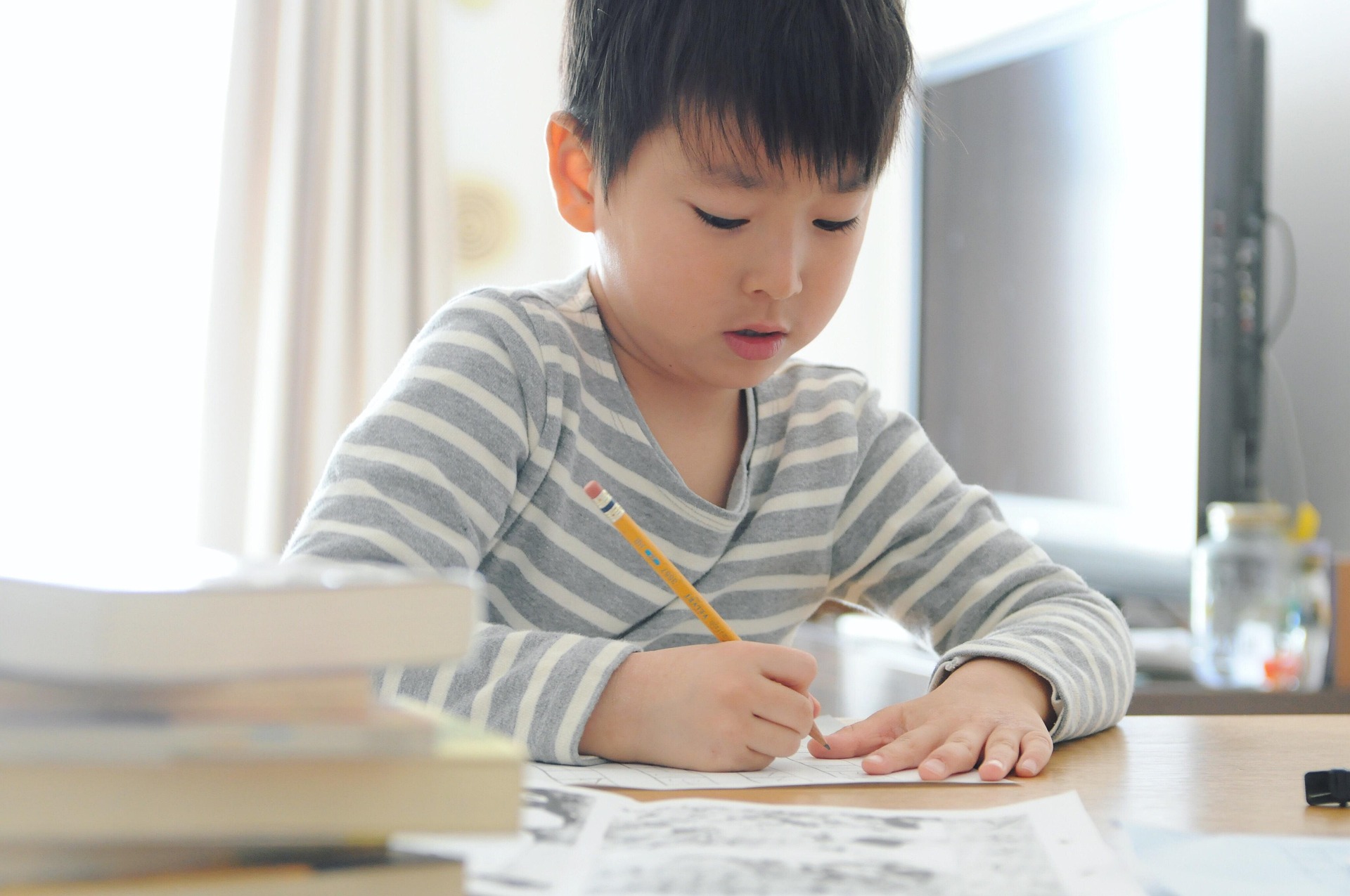
It's a common scenario: you’re a parent, a caregiver, or perhaps an autistic individual themselves, trying to make sense of the school system. You know that traditional classrooms aren't always built with neurodivergent minds in mind, and the idea of advocating for what your child needs can feel like an uphill battle. But every autistic student, every child, deserves a learning environment where they can thrive, feel safe, and reach their full potential. This isn't about special favors; it's about equitable access to education. It's about recognizing that 'fair' doesn't always mean 'the same.'
As Nova, we believe in empowering families with practical, evidence-informed strategies. Let's explore some key school accommodations that can make a profound difference for autistic students, acknowledging that each autistic person is wonderfully unique, and their needs will vary.
Understanding Accommodations vs. Modifications
Before we dive into specific examples, it's important to clarify the difference between accommodations and modifications. This understanding is crucial for effective advocacy.
- Accommodations change how a student learns or accesses information. They level the playing field without altering the content or expectations of the curriculum. For example, providing extra time for a test is an accommodation.
- Modifications change what a student is taught or expected to learn. They alter the curriculum expectations. For example, reducing the number of questions on an assignment or simplifying the content is a modification.
Most of what we'll discuss here falls under accommodations, aiming to create an accessible learning environment for autistic students to engage with the standard curriculum.
Sensory Supports for a Calmer Classroom
Many autistic individuals experience sensory input differently. What might be a neutral sound or light for one person can be overwhelming or distracting for another. Creating a sensory-friendly environment is foundational for learning.
- Reduced Sensory Input: This can involve strategically placed seating away from noisy areas (e.g., pencil sharpeners, doors, windows), minimizing fluorescent lighting (or offering alternative light sources like lamps), or providing a quiet, designated 'calm-down' space within the classroom or school.
- Sensory Tools: Offering access to fidget toys, weighted lap pads, noise-canceling headphones or earplugs, and chewable jewelry can help regulate sensory input and improve focus. These aren't distractions; they are self-regulation tools.
- Scheduled Sensory Breaks: Incorporate planned breaks for movement (e.g., jumping, swinging, stretching) or quiet time in a sensory-friendly area. These can be proactive to prevent overload or reactive when a student shows signs of dysregulation.
Enhancing Communication and Social Understanding
Communication styles and social interactions can be different for autistic students. Accommodations here focus on clarity, predictability, and support for social engagement.
- Visual Supports: Visual schedules, 'first/then' boards, social stories, visual timers, and visual rules can provide concrete information and reduce anxiety by making expectations clear and predictable. These are often invaluable for transitions and understanding routines.
- Clear and Explicit Communication: Avoid idioms, sarcasm, and abstract language. Teachers can use direct language, provide step-by-step instructions, and check for understanding frequently. Explaining the 'why' behind rules or tasks can also be very helpful.
- Communication Aids: For autistic individuals who use augmentative and alternative communication (AAC) devices or picture exchange systems (PECS), ensuring these are always accessible and fully integrated into the school day is paramount. Training staff on their use is also critical.
- Supported Social Interactions: Structured opportunities for peer interaction, social skills groups, or a designated peer buddy can help navigate social situations. Teaching peers about autism and fostering an inclusive classroom culture benefits everyone.
Academic Adjustments for Accessible Learning
Academic accommodations ensure that autistic students can access the curriculum and demonstrate their knowledge in ways that suit their learning style.
- Flexible Work Completion: Offering extended time for assignments and tests, reducing the number of problems on a worksheet without altering core concepts (a modification if the content is changed, but an accommodation if it just reduces quantity to manage stamina), or allowing work to be completed in a preferred format (typing vs. handwriting).
- Differentiated Instruction: Providing information in multiple formats (visual, auditory, hands-on), breaking down complex tasks into smaller, manageable steps, and offering choices in how a student learns or demonstrates mastery.
- Preferential Seating: Placing the student near the teacher for direct access, away from distractions, or in a spot that allows for easy exit if needed.
- Reduced Workload/Modified Pacing: For students who struggle with attention or processing speed, reducing the quantity of work or allowing them to work at a slower, more deliberate pace can prevent burnout and allow for deeper understanding.
- Access to Technology: Using text-to-speech software, speech-to-text programs, word processors, or specific apps that support organization, planning, or learning can be transformative.
Support for Transitions and Routines
Transitions, whether between activities, classes, or even school years, can be particularly challenging for many autistic individuals due to a preference for predictability.
- Advance Notice for Changes: Providing warnings about upcoming changes to routines, schedules, or unexpected events. Visual timers and verbal cues can be very effective.
- Structured Transitions: Breaking down transitions into clear, predictable steps. Practicing transitions, especially for new routines, can also be beneficial.
- Transition Objects/Routines: Allowing a student to bring a comfort item or engage in a specific, calming routine during transitions.
- Preparation for New Environments: For changes like moving to a new grade or school, providing opportunities to visit the new classroom, meet new teachers, and understand the new schedule in advance can significantly ease anxiety.
Fostering Self-Advocacy and Collaboration
While caregivers are vital advocates, empowering autistic students to understand their own needs and communicate them is incredibly important. This also means schools actively involving the student in their own accommodation planning, where appropriate.
- Student Input: Including the autistic student in IEP/504 meetings (if they are able and willing), asking them what helps them learn best, and respecting their preferences.
- Self-Advocacy Skills: Teaching students language and strategies to express their needs, such as asking for a break, clarifying instructions, or requesting a specific sensory tool.
- Consistent Communication between Home and School: A robust communication plan between parents/caregivers and school staff ensures that strategies are consistent and challenges are addressed proactively. This might involve a daily communication log, regular check-ins, or a designated point person at school.
Advocating for these accommodations requires collaboration, clear communication, and often, persistence. Remember, you are your child's strongest voice, and these accommodations are not just about helping them cope; they are about helping them flourish in a world that is becoming increasingly inclusive. Every autistic student deserves a chance to shine, and with the right supports, they absolutely can.