
Making Vacations Enjoyable for Autistic Children
Published July 1, 2026 · By Nova
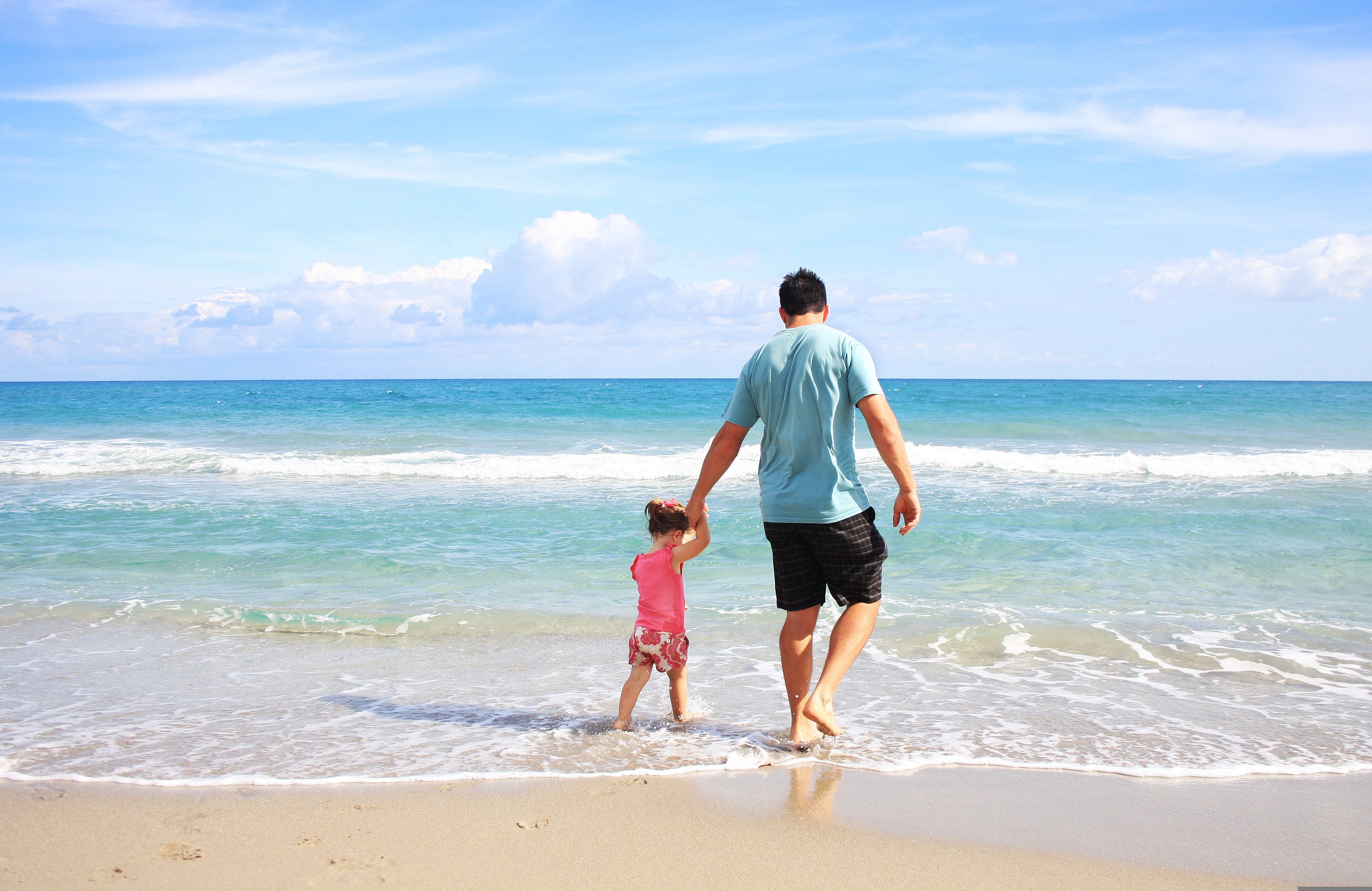
The idea of a family vacation often brings forth images of joyful laughter, new experiences, and cherished memories. But for many parents and caretakers of autistic children, it can also bring a wave of anxiety. Will new environments cause meltdowns? How will we manage sensory sensitivities? What if routines are disrupted? These are valid concerns, but with careful planning and a compassionate approach, family vacations can absolutely be a source of joy and CONNECTION for everyone, including your autistic child or loved one.
Every autistic individual is unique, and what works for one may not work for another. The strategies below are general guidelines; feel free to adapt them to suit your child's individual needs and preferences. Our goal here is to empower you to create positive and memorable travel experiences.
Start the Conversation Early: Preparing for the Unknown
One of the biggest anxieties for autistic individuals can be unexpected changes and unknown situations. Introducing the idea of a vacation well in advance can significantly reduce stress.
- Visual Schedules and Social Stories: Create a visual schedule of the trip, from packing to departure, travel, activities, and return. Use pictures, drawings, or real photos. A social story can describe what to expect at the airport, on the plane, at the hotel, or at your destination. Break down each step into simple, concrete terms.
- Map It Out: Look at maps of your destination, the hotel, or even the airport. Point out key locations like bathrooms, quiet areas, or places to eat. Google Street View can be an excellent tool for familiarizing your child with new surroundings.
- Role-Playing: Practice scenarios that might occur. "What do we do if we hear a loud noise?" or "How do we ask for help if we're lost?" This builds confidence and provides coping mechanisms.
- Watch Videos Together: Search for videos of your destination, the type of transportation you'll use, or the activities you plan to do. This sensory preview can be invaluable.
Packing for Comfort: Sensory and Routine Essentials
Your child's comfort items and sensory tools are non-negotiable travel companions. These can be lifelines when routines are disrupted or new sensory inputs become overwhelming.
- Favorite Comfort Items: Bring a favorite blanket, stuffed animal, pillow, book, or small toy. These provide a sense of security and familiarity.
- Sensory Toolkit: Pack noise-canceling headphones, fidget toys, sunglasses (for bright lights), chewies, or any other items your child uses to regulate their sensory input.
- Visual Aids: Don't forget any existing visual schedules, communication cards, or a tablet with preferred apps or movies.
- Familiar Snacks and Drinks: New foods can be challenging. Pack plenty of familiar, preferred snacks and a special water bottle. This can prevent meltdowns due to hunger or unfamiliar tastes.
- Emergency Kit: Include any necessary medications, a first-aid kit, a change of clothes, and information about your child's autism for emergencies.
Navigating the Journey: Travel Day Strategies
Whether by car, plane, or train, the travel portion of your vacation can be the most challenging. Planning for these specific moments is key.
- Choose Off-Peak Travel Times: If possible, travel during less crowded times to reduce sensory overload from crowds and noise.
- Allow for Extra Time: Rushing adds stress. Build in ample time for security checks, bathroom breaks, and unexpected delays.
- Pre-Boarding Perks: Many airlines offer pre-boarding for families with special needs. This allows you to settle in before the rush, giving your child time to adjust.
- Seat Selection: If flying, consider selecting seats towards the front or back of the plane, or near a window for visual stimulation (or distraction). For car travel, ensure comfortable seating with access to entertainment.
- Frequent Breaks: For car travel, plan for more frequent, shorter breaks than you might normally take. Let your child stretch, run around, or have some quiet time before continuing.
- Entertainment Diversions: Load up tablets with movies, games, or apps. Bring new, small toys or activities that can hold their attention during travel segments.
At Your Destination: Maintaining Balance and Flexibility
Once you arrive, the focus shifts to enjoying your time while still supporting your child's needs.
- Establish a Base: Upon arrival at your accommodation, take time to explore the room together. Identify safe spaces, the bathroom, and any areas of interest.
- Balance Activities with Downtime: Don't overschedule. Build in plenty of downtime for relaxation, quiet play, or sensory breaks. A hotel room can be an excellent haven if things become too much.
- Prioritize Routines: While some flexibility is expected, try to maintain core routines like meal times and bedtime as much as possible. This provides a sense of predictability.
- Identify Quiet Zones: Before visiting an attraction, look for information on quiet rooms, sensory-friendly hours, or less crowded areas. Many parks and museums are becoming more accommodating.
- Communicate Needs: Don't hesitate to explain your child's needs to hotel staff, restaurant servers, or attraction personnel. Many places are willing to help make your experience more comfortable.
- Be Flexible: Sometimes, despite the best planning, things won't go as expected. Be ready to adjust plans, skip an activity, or simply take a break. The goal is a positive experience for everyone, even if it means deviating from the original itinerary.
Vacations with an autistic child or autistic individual require extra thought and preparation, but the rewards—shared smiles, new discoveries, and strengthened family bonds—are immeasurable. Remember to celebrate the small victories, learn from each trip, and cherish every moment.