
Navigating Bullying: Practical Support for Autistic Children
Published June 23, 2026 · By Nova
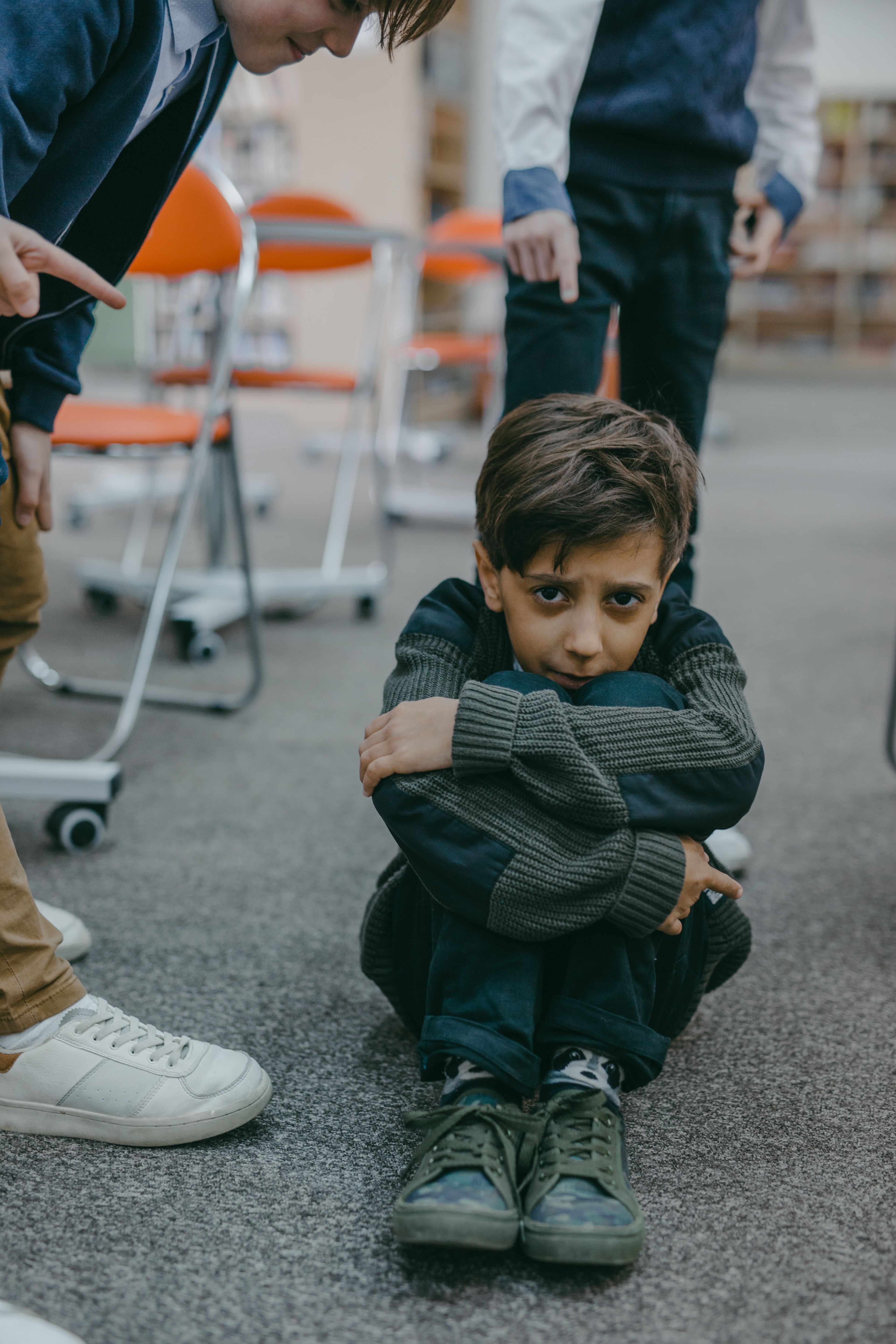
The school bell rings, and for many children, it signals the start of friendships, learning, and growth. But for some, especially autistic children, it can unfortunately also bring the looming shadow of bullying. As a parent/caregiver, witnessing your child struggle, or even just fearing they might, is one of the toughest experiences. You want to wrap them in an impenetrable shield and physically be with them every moment of the day, but since that's not possible, we can equip ourselves and them with knowledge and strategies that make a tangible difference.
Bullying isn't just a playground tussle; it's a persistent, aggressive pattern of behavior that can have profound and lasting impacts on a child's emotional well-being, academic performance, and overall development. Autistic individuals are, unfortunately, disproportionately targeted. Research suggests that autistic students are bullied at significantly higher rates than their neurotypical peers. This can stem from differences in communication styles, social cues, and sometimes, a perceived vulnerability.
This isn't about fostering fear, but about fostering preparedness and empowerment. Let's explore what you can actually do.
Understanding Why Autistic Individuals May Be Targets
While every autistic person is unique, certain characteristics can, unfortunately, make them more vulnerable to bullying:
- Differences in Social Communication: Autistic children may misinterpret social cues, struggle with reciprocal conversation, or have difficulty initiating and maintaining friendships, which can make them seem "different" to peers.
- Literal Interpretation: Sarcasm or teasing can be confusing and upsetting when understood literally, making an autistic child an easy target for those seeking a reaction.
- Repetitive Behaviors or Special Interests: While these are often sources of joy and comfort, they can sometimes be misunderstood or mocked by peers.
- Sensory Sensitivities: Strong reactions to sensory input (like loud noises or certain textures) can draw unwanted attention.
- Difficulty Identifying and Reporting Bullying: An autistic child might not recognize a behavior as bullying, or they might struggle to find the words to report it to an adult.
Recognizing these potential vulnerabilities isn't about fault; it's about understanding the landscape your child navigates so you can better support them.
Empowering Your Child at Home
Your home is a safe space, and it's where much of the foundational work can happen.
- Open Communication: Create an environment where your child feels safe to share anything without judgment. Ask specific, open-ended questions like, "What was the best thing that happened today?" and "What was the hardest part of your day?" rather than just "How was school?"
- Teach and Role-Play Social Skills: Explicitly teach social skills that neurotypical children often pick up intuitively. This includes:
- Identifying emotions: Using emotion cards or shows to help them recognize facial expressions and body language.
- Responding to teasing: Practicing phrases like, "Please stop," "That's not kind," or ignoring the behavior and walking away.
- Seeking help: Role-play telling a trusted adult (teacher, counselor, bus driver).
- Build Self-Esteem and Self-Advocacy: Focus on your child's strengths and passions. Help them understand and articulate their own needs and preferences. Practicing phrases like, "I need a break" or "I don't like that" can be incredibly empowering.
- Understand Bullying vs. Conflict: Help your child differentiate between a one-off peer conflict (which might require different strategies) and persistent bullying. Explain that bullying is never their fault and that they deserve to feel safe.
Partnering with the School for an Inclusive Environment
School is where much of the bullying occurs, so the school environment and staff are crucial allies.
- Communicate Proactively: Don't wait for a problem. Schedule a meeting with teachers, the school counselor, and administrators before issues arise. Share information about your child's strengths, challenges, communication style, and potential vulnerabilities.
- Develop an Individualized Education Program (IEP) or 504 Plan: Ensure these plans specifically address bullying prevention and response. This could include social skills training, a designated safe person your child can go to, modifications for recess or lunch, or supervision in vulnerable areas.
- Document Everything: Keep a detailed log of any bullying incidents: dates, times, locations, who was involved (aggressor and witnesses), what happened, and who you reported it to. This documentation is invaluable for advocating for your child and holding the school accountable.
- Understand the School's Anti-Bullying Policy: Ask for a copy and familiarize yourself with it. Know the steps the school should take when bullying is reported.
- Advocate for Social Skills Groups: Suggest or inquire about in-school social skills groups or lunch bunches that can help your child practice interacting with peers in a structured, supported environment.
- Request Peer Education: Schools can implement programs to educate all students about autism, neurodiversity, and empathy, helping to foster a more inclusive and understanding school culture.
- Follow Up Consistently: After reporting an incident, follow up regularly with the school to ensure that strategies are being implemented and are effective. If the situation doesn't improve, escalate your concerns through the school's chain of command.
When to Seek Additional Support
If bullying persists or significantly impacts your child, consider additional steps:
- Therapy/Counseling: A therapist can help your child process their feelings, develop coping strategies, and build resilience.
- Advocacy Organizations: Disability rights organizations can offer guidance, legal advice, or support in navigating school systems.
- Parent Support Groups: Connecting with other parents of autistic children can provide invaluable emotional support and practical advice.
Facing bullying is incredibly challenging, but you are not alone. By proactively empowering your child, communicating effectively with the school, and advocating for a safe and inclusive environment, you can build a stronger support system and help your autistic child navigate their school years with greater confidence and well-being.