
Navigating Sensory Differences as an Autistic Adult
Published August 27, 2026 · By Nova
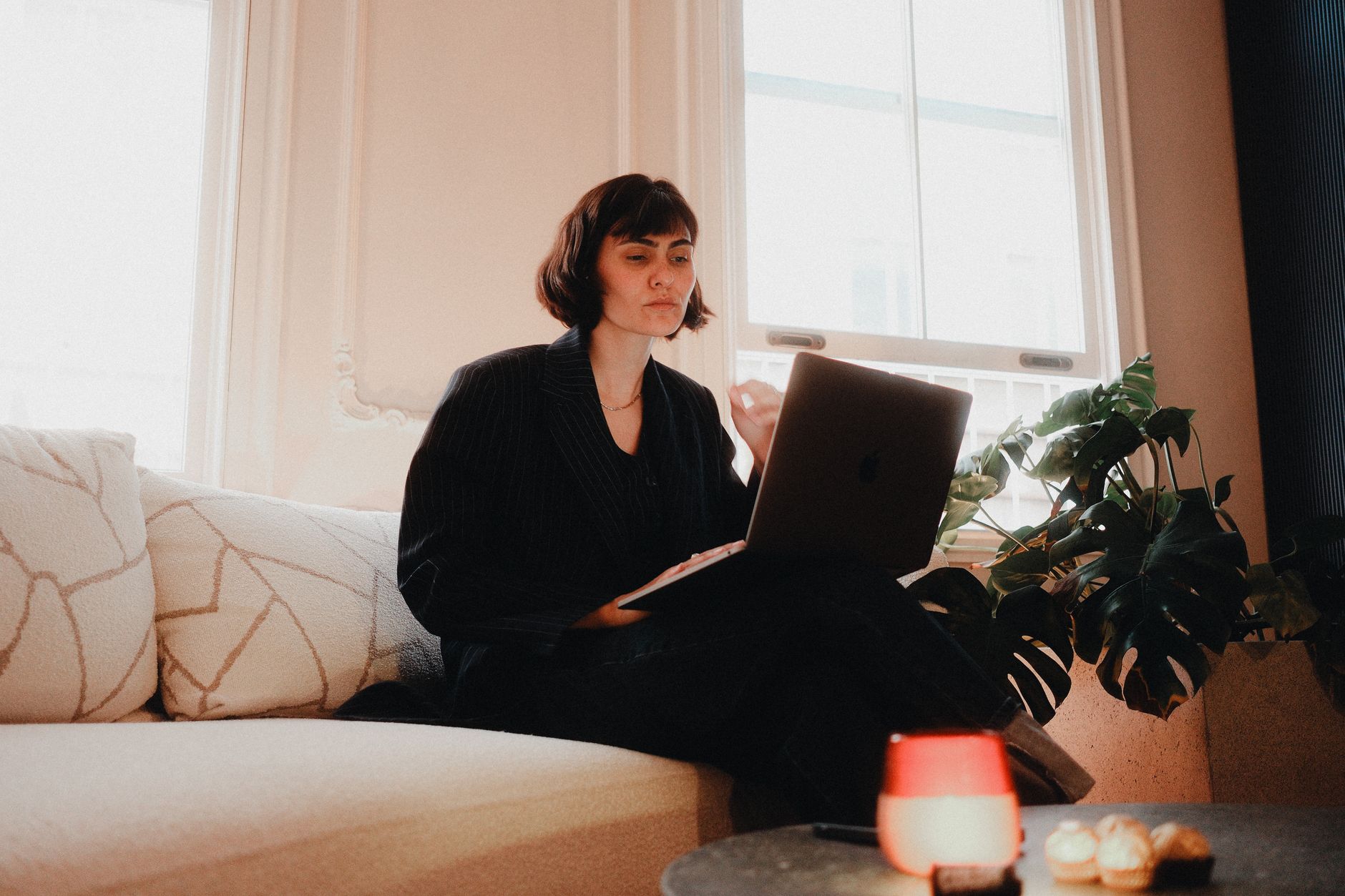
Life as an autistic adult often means navigating a world that isn't always built for our unique sensory experiences. What might be unnoticeable to others—the hum of fluorescent lights, the scratch of certain fabrics, or the cacophony of a busy street—can be a source of genuine distress or even physical pain. My brain processes these inputs differently, leading to what is commonly referred to as sensory sensitivities or sensory issues. It's not a flaw; it's simply a difference in how my nervous system interacts with my environment.
Understanding my own sensory profile is the first crucial step. This involves identifying what triggers overwhelm and what helps me regulate. Do certain sounds cause intense distress? Do bright lights lead to migraines? Or do I find myself seeking strong sensory input like deep pressure or specific textures? Recognizing these patterns allows me to move from simply reacting to actively creating spaces and routines that support my well-being.
Common Sensory Differences and How They Manifest
Sensory differences can affect any of the senses, and for many autistic adults, these can shift and change. Here are a few common ways they might appear:
- Sight (Visual Sensitivity): Bright lighting, especially fluorescent lights, can be intensely challenging. The flickering of screens or overhead fans, or even highly patterned surfaces, can cause significant sensory stress. For me, visual clutter can be distracting and overwhelming. Sometimes, removing colorful items or gravitating towards neutral, bare walls provides much-needed relief.
- Sound (Auditory Sensitivity): Environmental noise can be a major source of distress. Sudden or unexpected sounds, or even constant, unnoticed background hums (like electrical equipment), can be perceived without 'fade.' This means my brain might not filter out inconsequential sounds over time, making it hard to focus on a conversation in a noisy room.
- Smell (Olfactory Sensitivity): I am often highly sensitive to smells, perceiving odors that others don't. Common scents, normally considered inoffensive, can be noxious or even sickening. This includes perfumes, strong food smells, or exhaust fumes.
- Touch (Tactile Sensitivity): The feel of certain fabrics, tags on clothing, or even light, unexpected touches can be painful or deeply uncomfortable. Conversely, I might seek out firm pressure or specific textures to feel grounded. Understanding my tactile needs means knowing what kind of touch is comforting versus what causes distress.
These sensitivities are not just minor irritations; they can directly impact my ability to process information, communicate effectively, and can cause significant anxiety and distress.
Crafting Sensory-Friendly Environments and Routines
Creating an environment that respects my sensory needs is a continuous process of self-advocacy. It's about proactive adjustments, not just reactive coping. Here are some accommodations that make a significant difference:
In My Workspace
Many workplaces are sensory minefields. To manage this, I've found that:
- Noise-canceling headphones are invaluable for filtering out office chatter or the hum of machinery. Studies show that environmental noise can cause intense distress.
- Dimmable task lighting or natural light sources are preferable to harsh overhead fluorescents. If dimming isn't an option, strategically placed desk lamps can help.
- A quiet space to retreat to, even for a few minutes, helps prevent sensory overload. This could be a designated quiet room or simply a less trafficked area.
- Sensory-friendly clothing allows me to focus on my work without constant tactile distraction from scratchy fabrics or tight waistbands.
- Written instructions are often preferred over verbal ones, especially if auditory processing is challenged by environmental noise.
In My Home
My home should be my sanctuary. I strive to make it a place where I can truly regulate and rest:
- Controlling lighting with dimmers, warm-toned bulbs, or natural light reduces visual stress. I avoid harsh overhead lights.
- Reducing auditory clutter means minimizing background noise, using rugs to absorb sound, and employing white noise machines if needed to mask unpredictable sounds.
- A dedicated quiet retreat space – a corner, a room, or even a comfortable chair with a heavy blanket – is essential for when I need to decompress.
- Comfortable fabrics and textures are key for clothing, bedding, and furniture. If deep pressure is regulating, a weighted blanket is a wonderful comfort.
In Social and Public Settings
Navigating the world outside my home often requires a toolkit of strategies and clear self-advocacy:
- Pre-planning helps immensely. Knowing what to expect in terms of crowds, noise, and lighting in a new environment helps me prepare.
- Bringing a sensory toolkit is crucial. This might include sunglasses, noise-reducing headphones, fidget toys, or even a preferred calming scent.
- Taking frequent breaks allows me to step away from overwhelming sensory input before it leads to shutdown or overload.
- Communicating my needs directly and literally helps others understand. For instance, explaining that I need specific language, or that I prefer not to make eye contact, can prevent misunderstandings. (Strömberg et al., 2022)
- Prioritizing predictability in social plans and transitions helps reduce anxiety and the potential for sensory overwhelm. Visual supports, like schedules or timers, can be helpful for managing daily routines and transitions.
Self-Advocacy: My Voice, My Needs
Advocating for my sensory needs is not about being difficult; it's about safeguarding my nervous system and ensuring my ability to participate meaningfully in the world. It’s also about challenging the 'double empathy problem,' where neurotypical individuals might struggle to understand my experiences. (Milton, 2012)
I’ve learned that a respectful but firm approach works best. Whether it’s asking a host to dim the lights, requesting a quieter table at a restaurant, or explaining to a colleague why I need headphones, clear and direct communication is empowering. I've found that people are often willing to accommodate once they understand that these are legitimate needs, not preferences or quirks. (Smirni et al., 2019)
My sensory experience is an integral part of who I am. By understanding my own profile and confidently advocating for the accommodations I need, I can create a world that feels safer, more comfortable, and more authentically mine.
Even with all the tools, some days are harder than others. But knowing that I have strategies, and the right to use them, makes all the difference.
Related reading
- Autistic Rights at Work: Supporting Employment
- Autistic Burnout vs. Depression: A Caregiver's Guide
- Navigating Autistic Burnout: A Caregiver's Guide
- All autistic adults & self-advocacy articles