
Potty Training When Your Autistic Child Isn't Interested
Published July 29, 2026 · By Nova
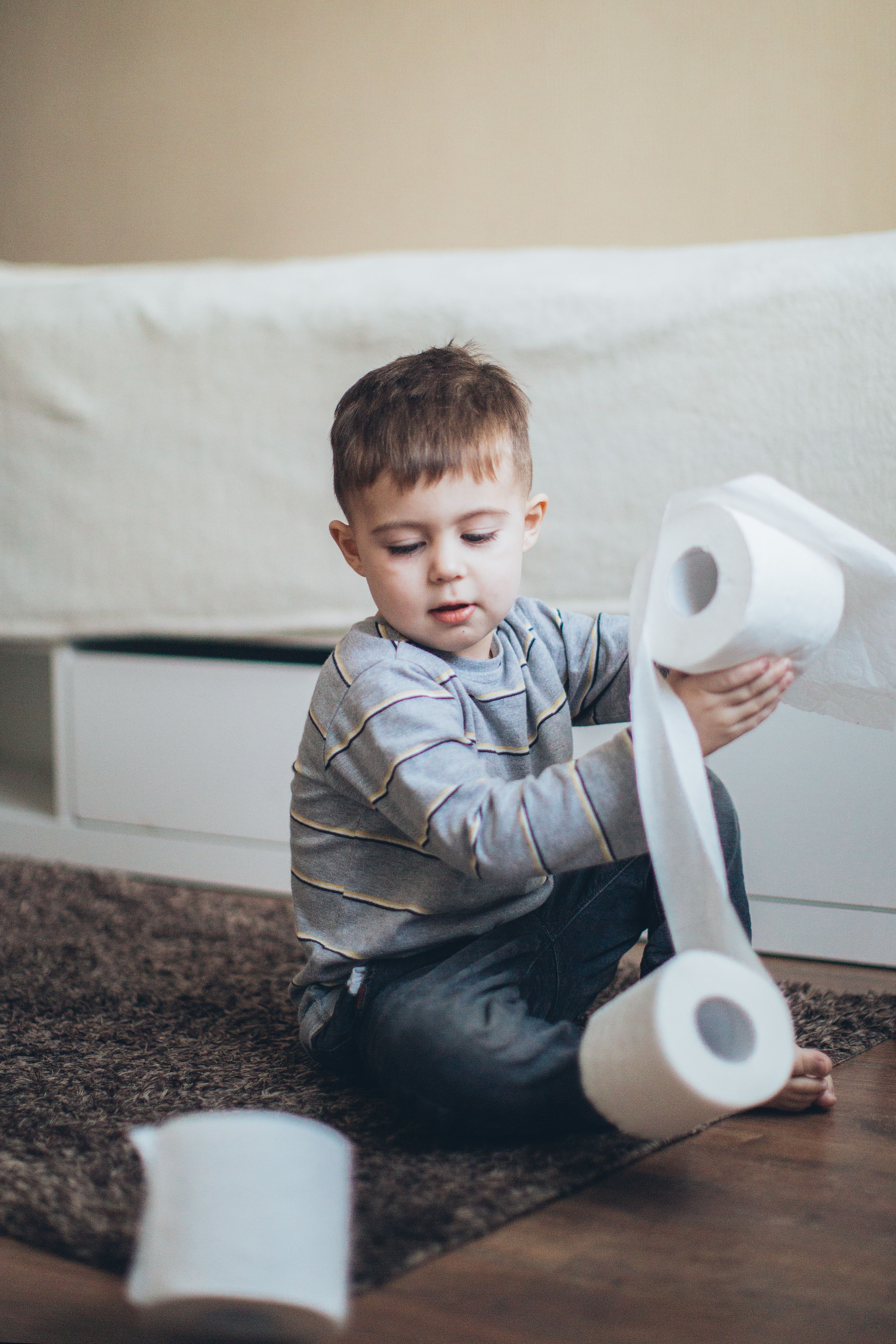
Does the mere thought of potty training bring a sigh of resignation? Perhaps your child is approaching the typical age for toilet learning, but the enthusiasm just isn't there. For many parents and caregivers of autistic children, this scenario is incredibly common. It's not about defiance; it's often about sensory sensitivities, communication differences, or a preference for routines that are hard to shift. But rest assured, with patience, understanding, and the right strategies, success is absolutely achievable.
Understanding the 'Why' Behind the Lack of Interest
Before diving into strategies, let's consider why an autistic child might not show typical interest in potty training. This isn't an exhaustive list, as every autistic person is unique, but these are common factors:
- Sensory Input: The feel of the toilet seat, the sound of the flush, the splash of the water, or the sensation of needing to go can be overwhelming or undershining. They might be hypersensitive or hyposensitive to these feelings.
- Communication Barriers: They might not be able to effectively communicate when they need to go, or they might not understand why they should go in the toilet.
- Routine and Predictability: Autistic individuals often thrive on routine. Changing from diapers to using a toilet represents a significant shift in their established norm.
- Interoception Challenges: This is the ability to interpret internal bodily signals. An autistic child might not clearly perceive the sensation of a full bladder or bowel, or they might not register it until it's too late.
- Motor Planning Difficulties: The sequence of actions involved in using the toilet (pulling down pants, sitting, wiping, flushing, pulling up pants, washing hands) can be complex for some.
- Anxiety: New situations, sensory challenges, or a fear of the unknown can create anxiety around toilet training.
Preparing the Groundwork: Before You Even Start
Setting the stage for success is crucial. Don't rush this phase.
- Observe Readiness Cues: Look for signs such as staying dry for longer periods, showing awareness of having soiled a diaper, or expressing discomfort with a wet diaper. These are more important than chronological age.
- Visual Supports are Your Best Friend: Create a visual schedule or social story about using the toilet. Break down each step with clear pictures. This provides predictability and reduces anxiety.
- Choice of Potty Equipment: Let your child choose their own potty seat or step stool if possible. Some prefer a small potty on the floor, while others do well with an insert on the adult toilet. Consider padded seats for sensory comfort.
- Make it a Neutral or Positive Space: Avoid making the bathroom a place of pressure. Let them explore the bathroom, sit on the potty (fully clothed or unclothed, whatever they're comfortable with), and familiarize themselves with it without any expectations.
- Address Sensory Concerns: Is the bathroom too bright? Too cold? The flush too loud? Experiment with a quieter flush, a nightlight, or a soft toilet seat. Consider noise-canceling headphones for the flush.
Gentle, Structured Strategies for Success
When your child seems ready, or you're ready to gently introduce the concept, these strategies can help.
- Establish a Consistent Schedule: Take your child to the toilet at predictable times, such as first thing in the morning, after meals, before naps, and before bed. Consistency is key for autistic learners.
- Positive Reinforcement: When they make any progress, no matter how small, celebrate it! This could be sitting on the potty, pulling down their pants, or even just tolerating being in the bathroom. Use their preferred motivators (e.g., a small treat, a favorite toy, praise, a sticker chart).
- Praise the Effort, Not Just the Outcome: If they try to go but nothing happens, still acknowledge their effort. "You sat on the potty, that's great trying!" This reduces pressure.
- Forward Chaining or Backward Chaining:
- Forward Chaining: Teach the first step first (e.g., pulling down pants), then the next, and so on.
- Backward Chaining: Teach the last step first (e.g., pulling up pants after wiping), which gives a sense of immediate accomplishment. You complete the prior steps for them. Many find this highly effective.
- Underwear Introduction (Carefully): Some children benefit from feeling wet when they have an accident as this increases interoceptive awareness. Others may find this too distressing. Gauge your child's reaction. You can start with training pants that still offer some protection but feel different from diapers.
- Model the Behavior (if appropriate): Some children benefit from seeing a trusted adult or sibling using the toilet. Always respect privacy, but a quick demonstration can be helpful.
- Minimal Language, Clear Instructions: Use simple, direct language. "Time to potty," or "Sit on the potty." Avoid lengthy explanations.
- Address Fears and Avoid Power Struggles: If your child is resistant or fearful, don't force it. Take a break and re-evaluate. Potty training should not become a battleground, as this can create negative associations.
- Consult Professionals: If you're struggling, don't hesitate to reach out to an occupational therapist (especially for sensory or motor planning issues), a behavioral therapist, or your pediatrician. They can offer personalized strategies.
Patience is a Virtue
Remember, potty training an autistic child who isn't initially interested can take longer than typical development. There will be accidents, setbacks, and moments of frustration for everyone involved. Focus on small victories, maintain a calm and supportive environment, and celebrate every step forward. Your child is learning a complex skill, and your consistent encouragement and understanding are their greatest assets.
You've got this, and your child will get there too.