
Understanding Nonverbal Autism in Your Family
Published August 24, 2026 · By Nova
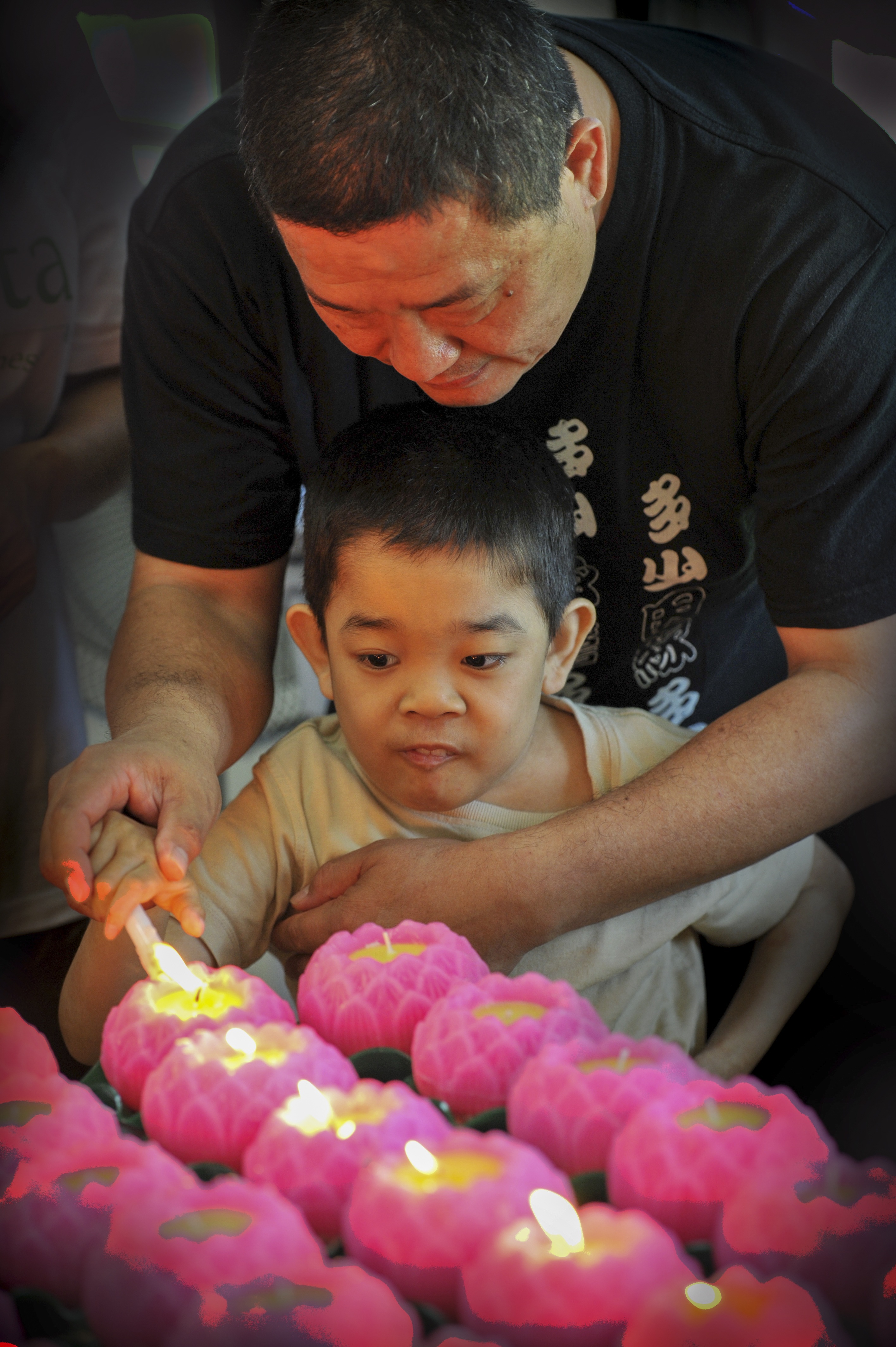
For many families, the term 'nonverbal autism' can bring a mix of questions and concerns. It's a phrase often misunderstood, leading to assumptions about intelligence or potential. However, nonverbal or minimally verbal autistic individuals have rich inner lives and communicate in diverse, meaningful ways that extend far beyond spoken words. Understanding these communication differences is the first step towards deeper connection and support within your family.
What Does 'Nonverbal Autism' Really Mean?
First, it’s essential to clarify: 'nonverbal' doesn’t mean 'non-communicative.' It simply means that spoken language isn't the primary or most reliable way an autistic person expresses themselves. Communication in autism exists on a broad spectrum, encompassing:
- Nonverbal/Minimally Verbal: These individuals might primarily use gestures, sounds, body language, or Augmentative and Alternative Communication (AAC) systems. They might use single words or short phrases inconsistently, especially under stress.
- Partially Verbal: This often includes using single words, short phrases, or scripts (echolalia). Their speech can be highly context-bound and may fluctuate depending on their regulation and environment.
- Fully Verbal: Even fully verbal autistic individuals may need extra processing time, interpret language literally, or benefit from support in back-and-forth conversation.
The core takeaway is that communication reflects neurological wiring, not a measure of intelligence. Every autistic person has important things to say, regardless of how they say them.
Diverse Ways Autistic Individuals Communicate
When spoken words aren't the primary tool, other forms of communication become vital. As caregivers, observing and understanding these methods can unlock new pathways for connection:
- Gestures and Body Language: A push might mean 'no' or 'go away.' Reaching could mean 'want' or 'come here.' Pacing might indicate overwhelm or excitement. Paying close attention to subtle shifts in posture, facial tension, or movement can provide significant insight.
- Sounds and Vocalizations: These can range from consistent, meaningful sounds to repetitive vocal stims that help with regulation. Over time, families often learn what different sounds signify.
- Echolalia and Scripting: Echolalia, the repetition of words or phrases (immediate or delayed), is a powerful form of communication for many autistic people. It can serve multiple functions: processing questions, requesting, self-regulation, practicing language, or expressing emotions indirectly. Similarly, 'scripting' — repeating lines from shows or past conversations — can be a way to communicate indirectly, regulate, or even connect with others.
- Alternative and Augmentative Communication (AAC): This is a broad category of tools and strategies designed to supplement or replace spoken language. AAC does not prevent speech; instead, research shows it often supports and encourages speech development when it's possible. Common AAC methods include:
- Speech-generating devices (SGDs) or tablet apps: Like LAMP, TD Snap, or Proloquo2Go, these allow individuals to select words or phrases that are then spoken aloud.
- Picture Exchange Communication System (PECS): Individuals use pictures to make requests or comments.
- Communication boards/books or PODD (Pragmatic Organisation Dynamic Display) books: These offer structured ways to point to words, symbols, or pictures.
It’s important to remember that individuals may switch between these methods depending on the context, their level of regulation, or simply what feels most accessible at a given moment.
Practical Strategies for Connecting and Supporting
Families play a crucial role in fostering communication. Here are gentle, evidence-based strategies to help your nonverbal or minimally verbal loved one:
- Follow Their Lead: Talk about what your child is focused on. If they are looking at a toy, narrate simply: 'You see the red car.' This shows you are attentive to their interests.
- Narrate the Moment Simply: Use short, clear sentences to describe actions or observations. 'You’re reaching for the cup.' 'Mommy is getting the juice.' This helps connect words to actions.
- Give Generous Wait Time: Autistic individuals often need extra time to process information and formulate a response. Resist the urge to fill the silence. A common guideline is to wait 5-10 seconds after communicating before repeating or rephrasing.
- Use Visual Supports: Many autistic people are visual thinkers. Pictures, schedules, and visual cues can significantly improve understanding and reduce anxiety. This could be a picture schedule for daily routines, a first/then board, or visual choice cards.
- Model AAC While Speaking (Aided Language Stimulation): If your child uses an AAC device or board, use it yourself while you speak. For example, when you say 'Let’s go eat,' also tap the 'eat' icon. This shows how to use the tool without putting pressure on your child to use it.
- Respond to All Communication Attempts: Whether it’s a glance, a gesture, a sound, or a word on an AAC device, acknowledge and respond. This validates their efforts and reinforces that their communication is heard and valued.
- Reduce Demands During Overwhelm: During meltdowns or shutdowns, communication can become even more challenging. Reduce demands, offer visuals, and provide a quiet, safe space. Do not treat silence as defiance; it’s often a sign of profound overload.
- Stick to Routines: Predictable routines create a sense of safety and reduce anxiety, which in turn can improve communication. Visual schedules can be especially helpful for communicating what comes next.
Your Role as an Interpreter
As the person who spends the most time with your autistic loved one, you are their primary interpreter. Help others in your life — extended family, friends, educators — understand how your child communicates. Explain their unique cues, their use of echolalia, or how their AAC system works. By doing so, you create a more inclusive and understanding environment for your child.
Embracing and celebrating all forms of communication fosters deeper bonds and ensures that your autistic family member can express their needs, thoughts, and feelings effectively. It's about meeting them where they are and building bridges of understanding, one meaningful interaction at a time.