
Unpacking the Double Empathy Problem: Communication on the Spectrum
Published August 6, 2026 · By Nova
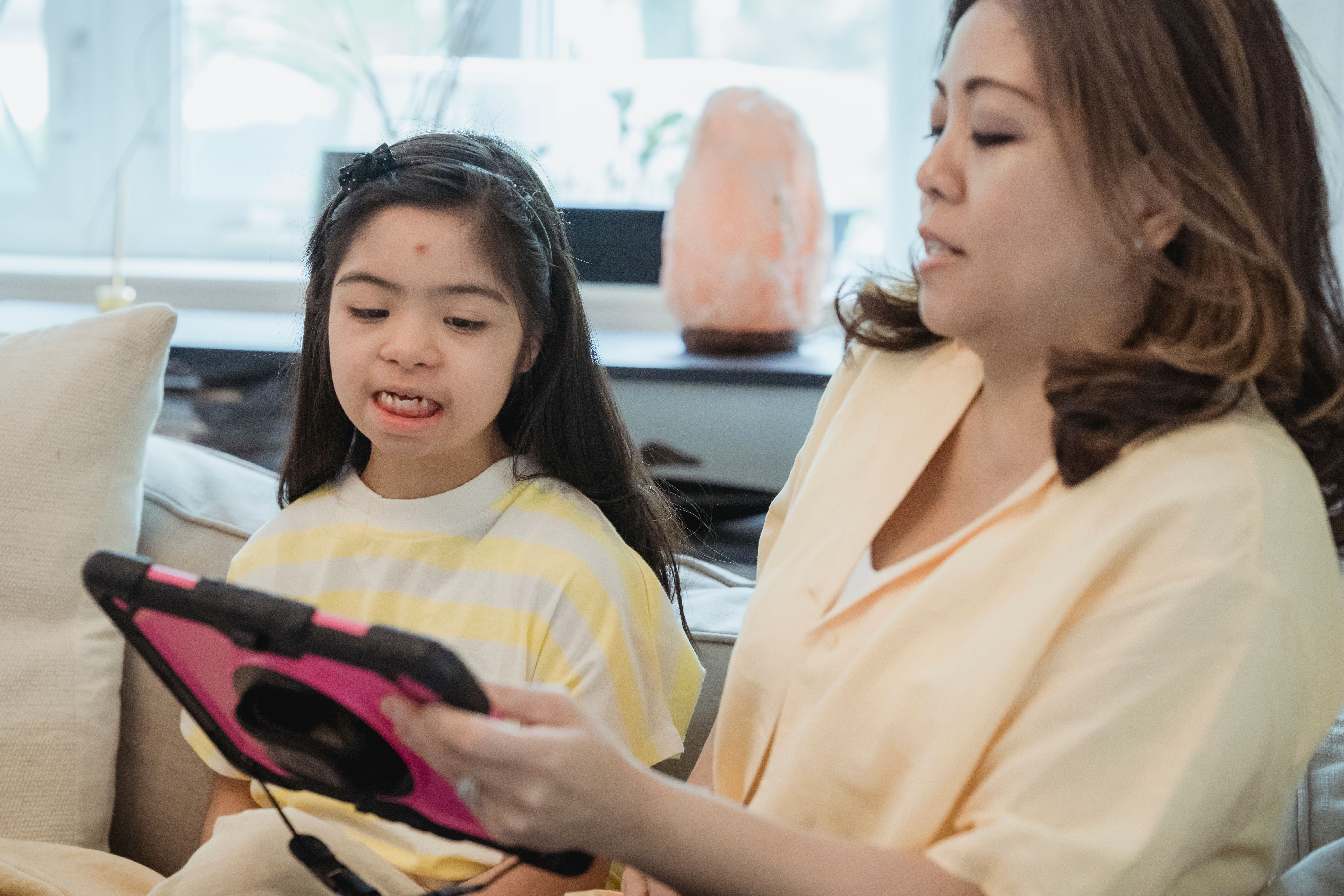
Have you ever found yourself in a conversation that just… didn't quite click? Perhaps you felt misunderstood, or like your message wasn't landing the way you intended, even when talking to someone you care about deeply. If you're a parent or caregiver of an autistic individual, these moments might feel particularly frequent or frustrating. For a long time, the prevailing narrative around autistic communication focused almost exclusively on perceived 'deficits' in autistic people themselves.
However, a groundbreaking concept called the Double Empathy Problem is revolutionizing our understanding. It suggests that communication difficulties between autistic and non-autistic people are not solely due to a lack of empathy or social skill on one side, but rather a mutual challenge in understanding each other's differing communication styles and social frameworks. It's a two-way street, where both neurotypes can struggle to interpret and respond to the other effectively.
What is the Double Empathy Problem?
Coined by Dr. Damian Milton in 2012, the Double Empathy Problem posits that when people with very different experiences of the world (like autistic and non-autistic individuals) try to interact, misunderstandings are likely to occur on both sides. It's not about autistic people lacking empathy; studies have shown autistic people often experience profound empathy, sometimes even more intensely than their neurotypical peers. Instead, it highlights that empathy and understanding flow most easily between people with similar experiences and communication styles.
Think of it like this: if you speak different languages, you'll both struggle to understand each other without a translator or shared effort to learn the other's language. In the context of neurodiversity, the 'language' isn't just spoken words, but also non-verbal cues, social expectations, and underlying assumptions about how conversations work.
Moving Beyond the Deficit Model
The Double Empathy Problem shifts the blame away from the autistic individual and encourages us to consider the interaction as a whole. It recognizes that neurotypical communication styles are just one way of interacting, not the only correct way. This perspective is empowering because it opens the door to solutions that involve mutual adjustment and increased understanding from all parties.
Practical Strategies for Bridging the Gap
Understanding the Double Empathy Problem is the first step; applying this knowledge in daily interactions is where the real magic happens. Here are some actionable strategies for parents and caregivers to foster more effective and empathetic communication:
1. Assume Competence and Best Intentions
Always start from a place of assuming the autistic person is doing their best to communicate and connect, even if it doesn't look 'typical'. Their actions or words might have a different logic or intent than you initially perceive.
2. Prioritize Clarity and Directness
Many autistic individuals appreciate clear, direct, and explicit communication. Avoid sarcasm, subtle hints, rhetorical questions, and overly nuanced language where possible. Say what you mean, and mean what you say.
- Instead of: "Are you really going out dressed like that?" (Implies disapproval)
- Try: "I'm concerned that outfit might not be warm enough for the weather." (Direct statement of concern)
3. Be Specific and Concrete
Abstract concepts or vague instructions can be challenging. Break down tasks into smaller, manageable steps. Use visual aids, written instructions, or demonstrations when verbal explanations aren't enough.
- Instead of: "Clean your room." (Vague)
- Try: "Please put your books on the shelf, then put your dirty clothes in the hamper, and finally, make your bed." (Specific steps)
4. Practice Active Listening and Observation
Pay close attention not just to what is said, but how it's said (or not said). Observe body language, facial expressions (which might differ from neurotypical presentations), and patterns of behavior. Sometimes, a lack of verbal response isn't a lack of understanding, but a need for processing time or an alternative way of communicating.
5. Validate Their Communication Style
Show that you value and respect their unique ways of communicating, even if they're different from yours. This can include accepting stimming as a form of self-regulation or allowing for non-verbal communication methods. Autistic individuals who feel heard and understood are more likely to engage.
6. Create Predictable Communication Environments
For some, unexpected social interactions can be overwhelming. Where possible, prepare for conversations, especially about sensitive topics. Provide processing time, and allow for breaks if needed.
7. Educate Yourself and Others
Share the concept of the Double Empathy Problem with family members, educators, and friends. The more people who understand this mutual communication challenge, the more inclusive and effective interactions can become for everyone.
8. Seek Autistic Voices and Perspectives
One of the best ways to understand autistic communication is to listen to autistic people themselves. Read blogs, watch videos, and engage with autistic self-advocates. Their insights are invaluable for bridging the empathy gap.
Remember, every autistic person is an individual with their own unique communication preferences and needs. What works for one may not work for another. The key is to be curious, patient, and flexible in your approach.
Embracing the Double Empathy Problem framework moves us towards a more equitable and understanding view of autistic communication. It's an invitation for all of us to learn, adapt, and build stronger, more authentic connections with the autistic people in our lives. It’s about mutual respect and the shared joy of truly connecting.